
In the United States in 2023, strokes were the 4th leading cause of death. We must recognize the signs of a stroke because every second counts. If a stroke patient can receive treatment within three hours of symptoms beginning, their chances of recovering significantly increase.1 Although disabilities after stroke are common,2 likely due to abundant cell death. The goal of this study was to identify if a natural hallucinogen, Dimethyltryptamine (DMT), could prevent the intensity of stroke, as well as prevent the significant loss of cells.
Three takeaways to tell your friends:
- Following a stroke, rats were given the hallucinogen Dimethyltryptamine (DMT).3
- DMT administration following a stroke in rats decreased the intensity of a harmful neuronal signaling pattern, caused by stroke.3
- DMT administration following a stroke in rats decreased the amount of neurons dying.3
Strokes are the result of impaired blood flow to the brain. There are a few types of strokes, but the most common, occurring 87% of the time,2 are ischemic strokes. Ischemic strokes occur when an artery supplying blood to the brain is completely blocked. As blood provides oxygen and nutrients to organs, the blood-deprived brain region begins suffering from hypoxia, or low oxygen levels. As a result, neurons begin sending signals in a rhythmic pattern that worsens the damage, known as spreading depression.4 Lastly, the final stage of injury is the return of blood to the cut-off region, called reperfusion. So, the pattern of Ischemic stroke is as follows: ischemia, hypoxia, spreading depression, and reperfusion. There is progress for therapeutics focusing on each stage, but today, we will discuss a breakthrough for multiple pathways.
Sigma-1 receptors are a group of receptors heavily involved in each cell’s stress response. When under stress, like ischemia and hypoxia, Sigma-1 receptor activation is neuroprotective. Ischemia-induced cell death was prevented by activating Sigma-1 receptors.5 When rats lost all Sigma-1 receptors, their cell death increased.5 Notoriously, Sigma-1 receptors are neuroprotective,6 and the researchers for this study sought to identify if they could exploit their neuroprotective nature to save stroke patients.
Coincidentally, there exists a drug expressed naturally in nature and our bodies7 that is anti-inflammatory,8 protective for tissues,9 neuroprotective,10 and binds to Sigma-1 receptors.11 It’s called Dimethyltryptamine or DMT. You may know it as the active ingredient in Ayahuasca brew used by indigenous groups in South America.12 Known to induce intense psychedelic bouts, DMT may have the potential to curb the 4th leading cause of death in the United States.
To test this hypothesis, rats experienced ischemia for 55 minutes, blood flow returned (reperfusion) for 60 minutes, and then brain samples were analyzed. After ischemia started, intravenous DMT administration began and remained consistent throughout. Similar to administering DMT promptly at the sign of a stroke. The researchers measured the intensity of spreading depression and the amount of cell death occurring in the DMT-treated and untreated rats.
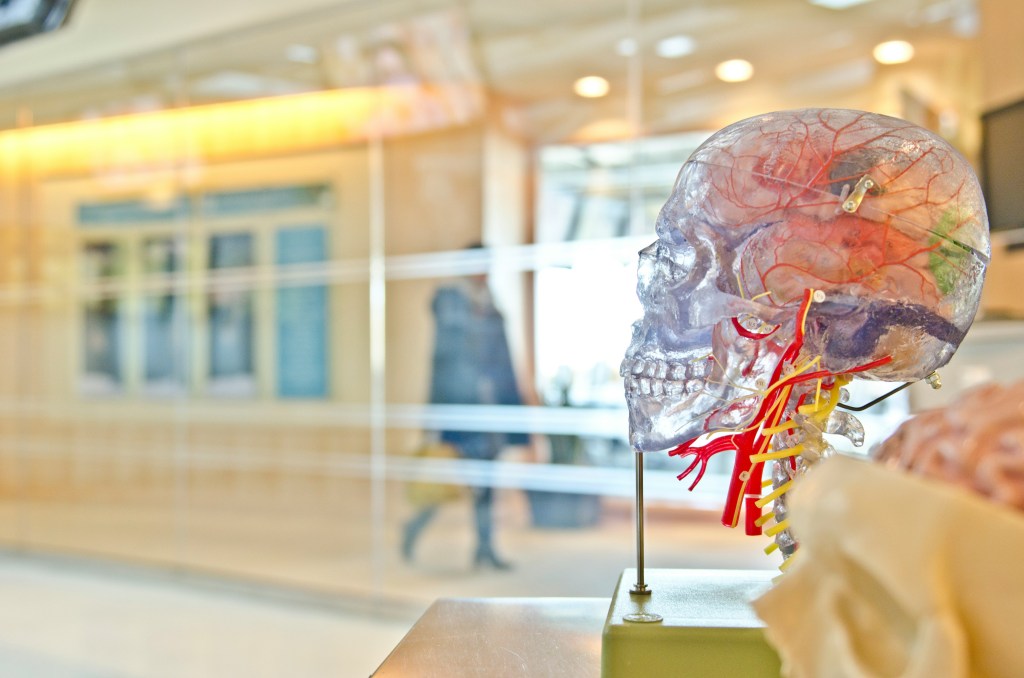
Spreading depression is a hallmark of brain injury, often worsening symptoms. DMT administration significantly decreased the intensity of the spreading depression signal sent by neurons.3 Additionally, stroke is not fatal to many, but the likelihood of becoming disabled after a stroke significantly increases, as opposed to remaining unchanged after heart attacks,13 most likely due to the immense cell death that occurs. However, in the DMT-treated rats, the number of neurons undergoing cell death significantly decreased in multiple brain regions.3
A cell type known as astrocytes, which offer support to neurons in the brain, are known to defend neurons from ischemic injuries.14 Yet, compared to untreated rats, DMT-treated rats had considerably more astrocytes present.3 So, DMT limits the intensity of strokes and minimizes the aftermath by preventing cell death and increasing support cells for neurons.
While there are numerous studies where treatment is given before the ailment occurs, it is refreshing that, after the stroke starts, the rats receive the DMT. In practice, this would be recognizing stroke signs and then taking DMT.
Hopefully, there will be a day when drugs with immense medicinal properties are not restricted, especially by laws propagated by politicians with racist and classist motives. It would be incredible to see the PTSD-curing MDMA, the depression-treating psilocybin, and stroke-limiting DMT applied to our healthcare. We can hope.
REFERENCES
1. National Institute of Neurological D, Stroke rt PASSG. Tissue plasminogen activator for acute ischemic stroke. N Engl J Med. 1995;333(24):1581-7.
2. Martin SS, Aday AW, Almarzooq ZI, Anderson CAM, Arora P, Avery CL, et al. 2024 Heart Disease and Stroke Statistics: A Report of US and Global Data From the American Heart Association. Circulation. 2024;149(8):e347-e913.
3. Szabo I, Varga VE, Dvoracsko S, Farkas AE, Kormoczi T, Berkecz R, et al. N,N-Dimethyltryptamine attenuates spreading depolarization and restrains neurodegeneration by sigma-1 receptor activation in the ischemic rat brain. Neuropharmacology. 2021;192:108612.
4. Somjen GG. Mechanisms of spreading depression and hypoxic spreading depression-like depolarization. Physiol Rev. 2001;81(3):1065-96.
5. Zhao X, Zhu L, Liu D, Chi T, Ji X, Liu P, et al. Sigma-1 receptor protects against endoplasmic reticulum stress-mediated apoptosis in mice with cerebral ischemia/reperfusion injury. Apoptosis. 2019;24(1-2):157-67.
6. Penke B, Fulop L, Szucs M, Frecska E. The Role of Sigma-1 Receptor, an Intracellular Chaperone in Neurodegenerative Diseases. Curr Neuropharmacol. 2018;16(1):97-116.
7. Barker SA, McIlhenny EH, Strassman R. A critical review of reports of endogenous psychedelic N, N-dimethyltryptamines in humans: 1955-2010. Drug Test Anal. 2012;4(7-8):617-35.
8. Szabo A, Kovacs A, Frecska E, Rajnavolgyi E. Psychedelic N,N-dimethyltryptamine and 5-methoxy-N,N-dimethyltryptamine modulate innate and adaptive inflammatory responses through the sigma-1 receptor of human monocyte-derived dendritic cells. PLoS One. 2014;9(8):e106533.
9. Frecska E, Szabo A, Winkelman MJ, Luna LE, McKenna DJ. A possibly sigma-1 receptor mediated role of dimethyltryptamine in tissue protection, regeneration, and immunity. J Neural Transm (Vienna). 2013;120(9):1295-303.
10. Szabo A, Kovacs A, Riba J, Djurovic S, Rajnavolgyi E, Frecska E. The Endogenous Hallucinogen and Trace Amine N,N-Dimethyltryptamine (DMT) Displays Potent Protective Effects against Hypoxia via Sigma-1 Receptor Activation in Human Primary iPSC-Derived Cortical Neurons and Microglia-Like Immune Cells. Front Neurosci. 2016;10:423.
11. Fontanilla D, Johannessen M, Hajipour AR, Cozzi NV, Jackson MB, Ruoho AE. The hallucinogen N,N-dimethyltryptamine (DMT) is an endogenous sigma-1 receptor regulator. Science. 2009;323(5916):934-7.
12. Hamill J, Hallak J, Dursun SM, Baker G. Ayahuasca: Psychological and Physiologic Effects, Pharmacology and Potential Uses in Addiction and Mental Illness. Curr Neuropharmacol. 2019;17(2):108-28.
13. Dhamoon MS, Longstreth WT, Jr., Bartz TM, Kaplan RC, Elkind MSV. Disability Trajectories Before and After Stroke and Myocardial Infarction: The Cardiovascular Health Study. JAMA Neurol. 2017;74(12):1439-45.
14. Rossi DJ, Brady JD, Mohr C. Astrocyte metabolism and signaling during brain ischemia. Nat Neurosci. 2007;10(11):1377-86.
 Fresh Science Explained
Leave a comment